
Caught the Flu in Japan? A Tourist's Guide to Symptoms & Getting Help
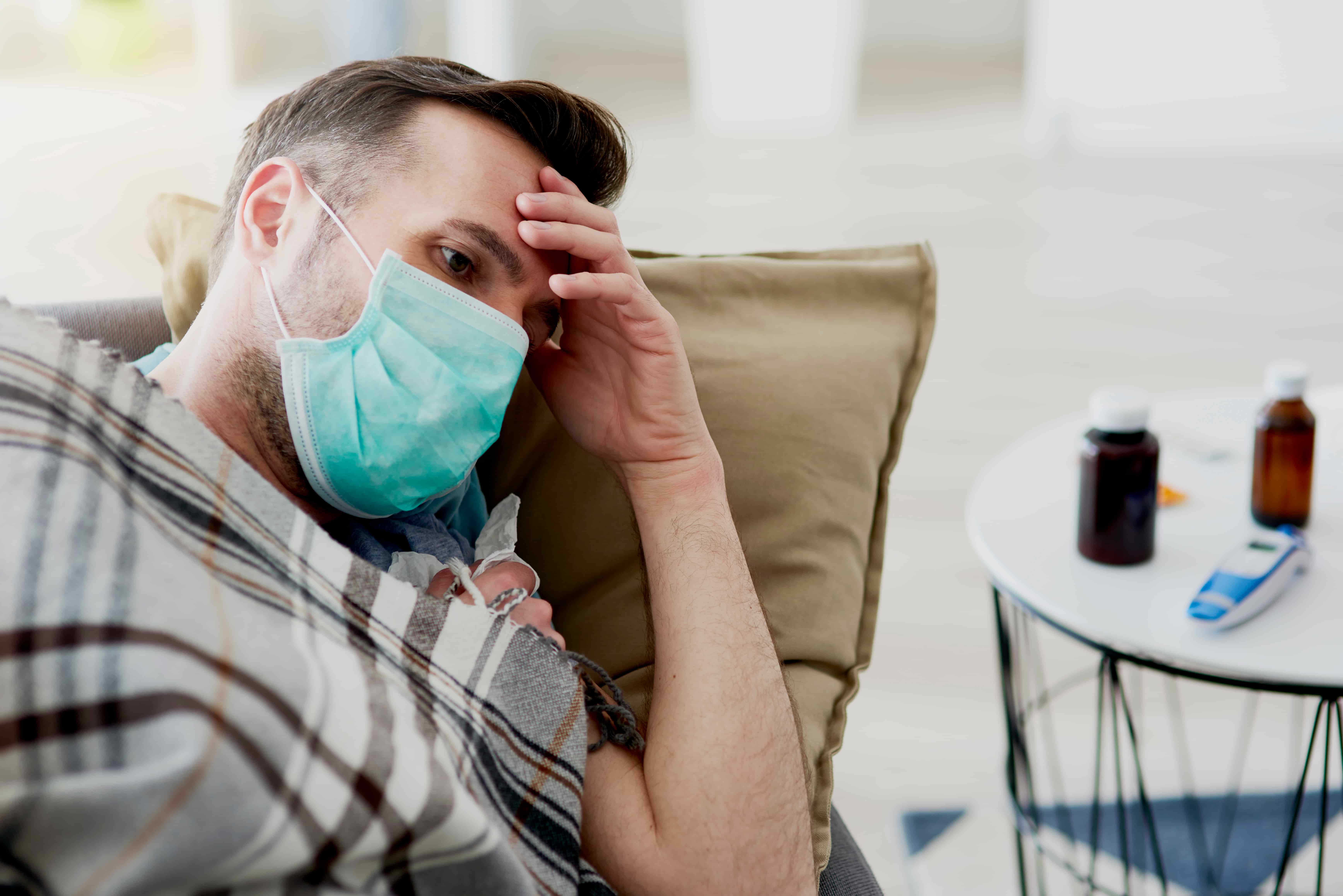
Winter in Japan is a magical time, with snow-covered temples and sparkling illuminations. However, it's also the peak season for influenza, or "the flu." Feeling that sudden wave of sickness, chills, and body aches is a terrible experience, especially when you're in a foreign country. As a sick tourist in Japan, your first thoughts might be panic: How sick will I get? Where can I get medicine? What do I do if sick in Japan with the flu?
This guide is here to help. Based on information from Japan's National Institute of Infectious Diseases (NIID), we'll explain how to recognize the flu, what to do, and how you can get the right medication quickly and easily.
Is It a Cold... or the Flu? (Flu Symptoms in Japan)
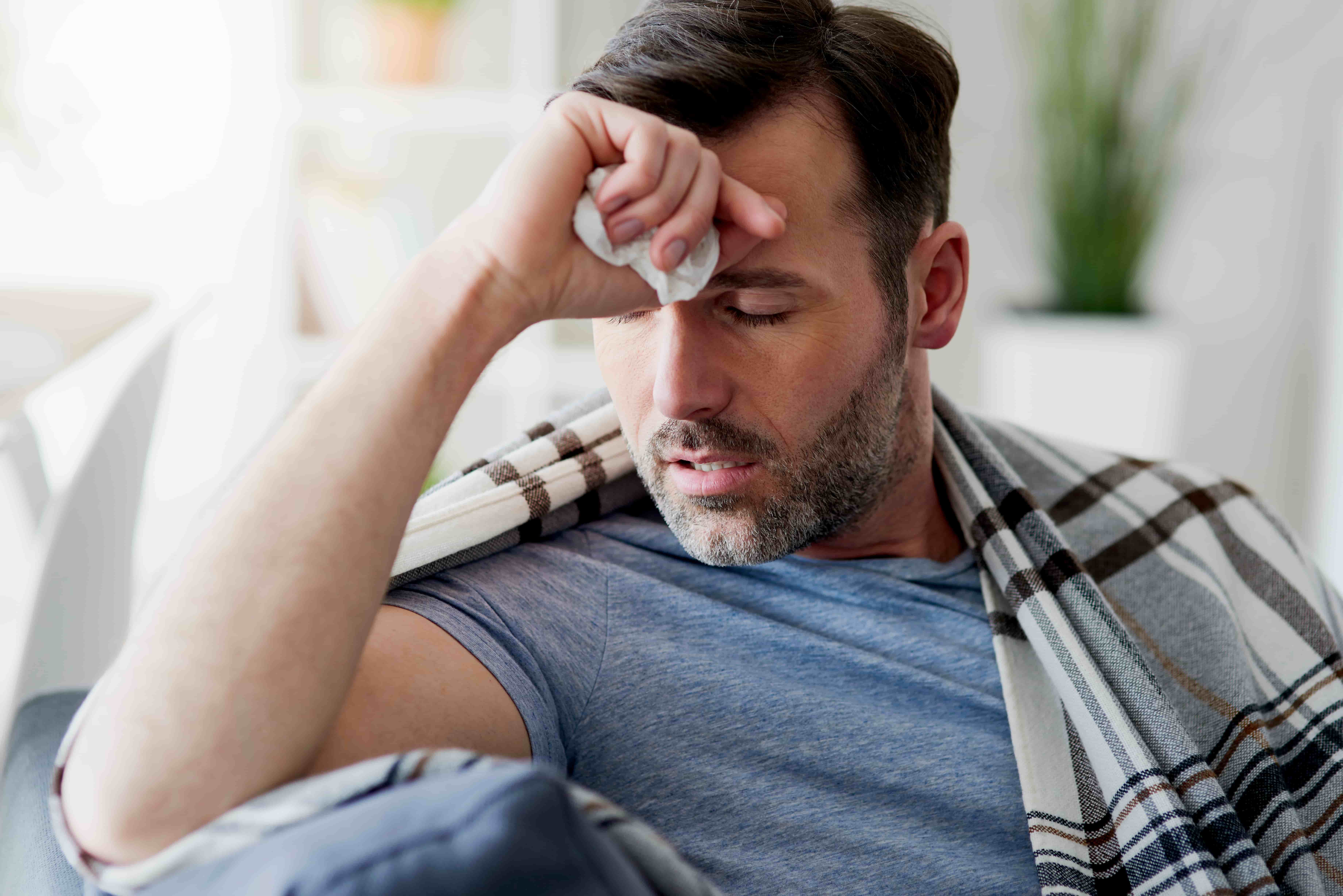
In Japan, the flu (インフルエンザ - infuruenza) is recognized as a different and more serious illness than the common cold (風邪 - kaze). According to Japanese health authorities, the key difference lies in the symptoms:
- Common Cold: Symptoms are mainly respiratory, like a runny nose, cough, and sore throat. A fever is usually mild, if present at all.
- Influenza (The Flu): The onset is sudden and severe. You'll typically experience a high fever (over 38°C / 100.4°F), along with strong systemic symptoms like headaches, severe fatigue, muscle aches, and joint pain. Respiratory symptoms like a cough and sore throat usually follow these initial symptoms.
If you're hit with a sudden, high fever and feel like you've been "hit by a truck," you may be dealing with influenza, not just a cold. The main flu season in Japan is from December to March.
What to Do Immediately if You Suspect the Flu
1. Seek Medical Attention Early
This is the most critical step. More details will be explained in the next section.
2. Rest and Hydrate
Go back to your hotel, get into bed, and rest. Your body needs all its energy to fight the virus. Drink plenty of fluids like water, tea, or sports drinks (like Pocari Sweat, found in all convenience stores) to prevent dehydration from the fever.
3. Wear a Mask
If you must leave your room (e.g., to buy medicine or food), please wear a face mask. This is a standard and respected custom in Japan to prevent spreading viruses to others (cough etiquette).
Why Seeing a Doctor is Important: Getting Antiviral Medication

If you suspect you have the flu (due to the sudden high fever and body aches), it is highly recommended to seek medical attention early. This is because antiviral medications are most effective when started within 48 hours of your first symptoms. Don't just assume it's a bad cold.
Here's the most important thing you need to know: Influenza can be treated with antiviral medications. In Japan, these antiviral medications are NOT sold over the counter. You MUST have a prescription from a doctor.
A doctor's diagnosis is key to getting the right treatment. In Japan, several types of antiviral drugs may be prescribed. While Oseltamivir (Tamiflu®), an oral medication, and Zanamivir (Relenza®), an inhaled medication, are common based on WHO guidelines (both requiring 5 days of treatment), newer single-dose treatments are also widely used. These include Laninamivir (Inavir®), an inhaled drug, or Baloxavir (Xofluza®), an oral medication. These single-dose options are often preferred by both doctors and patients for their convenience.
However, treatment can vary. For example, Xofluza (Baloxavir) is mainly available in tablet form, so for young children who cannot swallow pills, doctors may still prescribe Tamiflu (Oseltamivir), which is available as a powder (dry syrup).
Treatment is especially critical for children, the elderly, or anyone with a chronic health condition, as they are at higher risk for serious complications like pneumonia or acute encephalopathy (a severe brain inflammation seen in children).
The Challenge: Getting a Flu Prescription as a Tourist
This is where the problem starts. You feel terrible, you have a high fever, and now you need to find a doctor. You'll be searching for a "medical clinic near me" or a "clinic near me open now," all while worrying about the language barrier. Will you find an English-speaking doctor? How do you explain your symptoms to a Japanese doctor? And do you really want to drag yourself to a medical clinic and wait in a room full of other sick people?
The Smart, Fast Solution: HOTEL de DOCTOR 24
Instead of facing that stress, you can get a diagnosis and a prescription right from your hotel bed. HOTEL de DOCTOR 24 is an online medical service in Japan designed for tourists in your exact situation.
- Get a Diagnosis Online: You can schedule an online medical consultation immediately. An English-speaking doctor will assess your symptoms via video call. Based on the classic symptoms (sudden high fever, aches), they can make a clinical diagnosis of influenza.
- Receive a Prescription for Antiviral Medication: If the online doctor determines you have the flu, they can issue a prescription for antiviral medication. The service helps you get this prescription to a nearby pharmacy, allowing you to get the medicine you need to start feeling better, fast.
- Avoid Waiting Rooms: You protect yourself from further exhaustion and protect others from infection by staying in your room. This is the modern, efficient online clinic service.
- Get a Medical Certificate: If your illness is so severe that you have to cancel your flight home, you will need a medical certificate for your airline and travel insurance. The doctor can issue a medical certificate online, saving you a massive headache.
Making an online doctor appointment with HOTEL de DOCTOR 24 is the quickest way to get from miserable with the flu to on the road to recovery with the right medication.
Conclusion: Don't Let the Flu Win
Getting the flu in Japan is a serious setback, but it's manageable. The key is to rest, manage your symptoms, and—most importantly—get a prescription for antiviral medication if you need it. Don't waste your energy searching for an English-speaking doctor in Tokyo or sitting in a nearby medical clinic.
Use HOTEL de DOCTOR 24 to speak with an English-speaking doctor from your hotel, get your prescription, and start recovering so you can get back to your trip (or at least travel home comfortably).
Feeling the sudden onset of a high fever and body aches? Don't wait.
Visit HOTEL de DOCTOR 24 at https://www.hoteldedoctor24.com to arrange an immediate online medical consultation.
Stay warm, stay hydrated, and feel better soon!
For Further Information & Official Guidance
The information in this article is based on public health guidelines from Japanese authorities. For more detailed official information, please consult these primary sources:
- National Institute of Infectious Diseases (NIID), Japan: "Influenza" - The official source for infectious disease surveillance and information in Japan, which this article used as a reference. (Source: https://id-info.jihs.go.jp/surveillance/idwr/idwr/2024/52/article/index.html)
- Ministry of Health, Labour and Welfare (MHLW): "Influenza" - Provides official public service announcements and prevention tips (Primarily in Japanese).
- U.S. Centers for Disease Control and Prevention (CDC): "Influenza" - Comprehensive information on Influenza prevention and treatment. Visit the CDC's Influenza Page
- Japan National Tourism Organization (JNTO): "Guide for when you are feeling ill" - A practical resource for any health-related issue a tourist might face. Visit the JNTO Guide
Disclaimer: This article is for informational purposes only and does not constitute medical advice. Always consult with a qualified healthcare professional for diagnosis and treatment of medical conditions.